
_1784021051.jpeg)
_1780918299.jpeg)


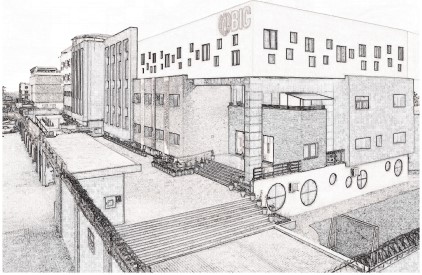
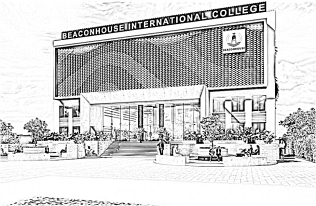
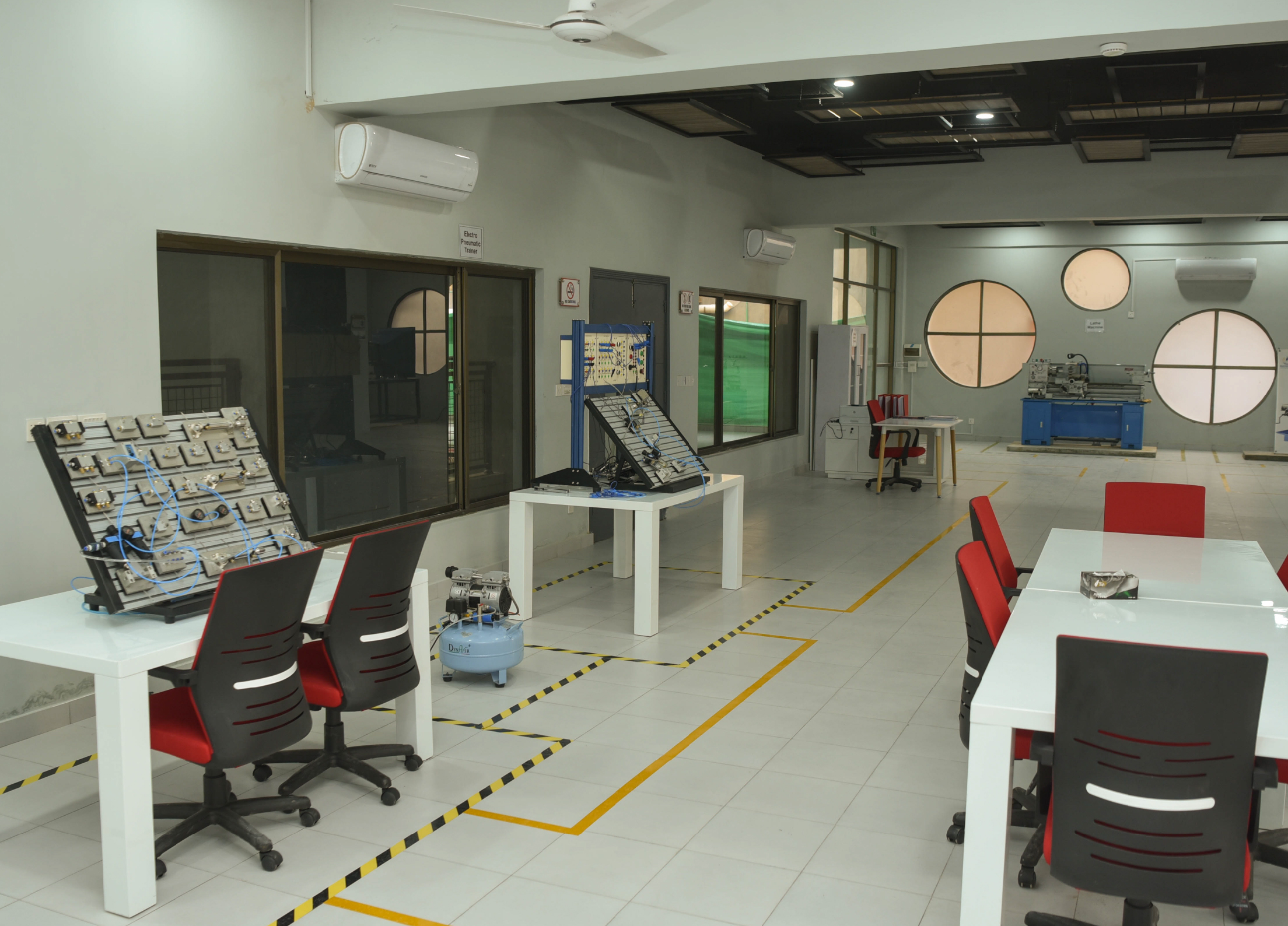
As a student at Beaconhouse International College, I am highly impressed with the institution's commitment to academic excellence and student support. The modern facilities, comprehensive curriculum, and focus on practical application have significantly enriched my learning experience

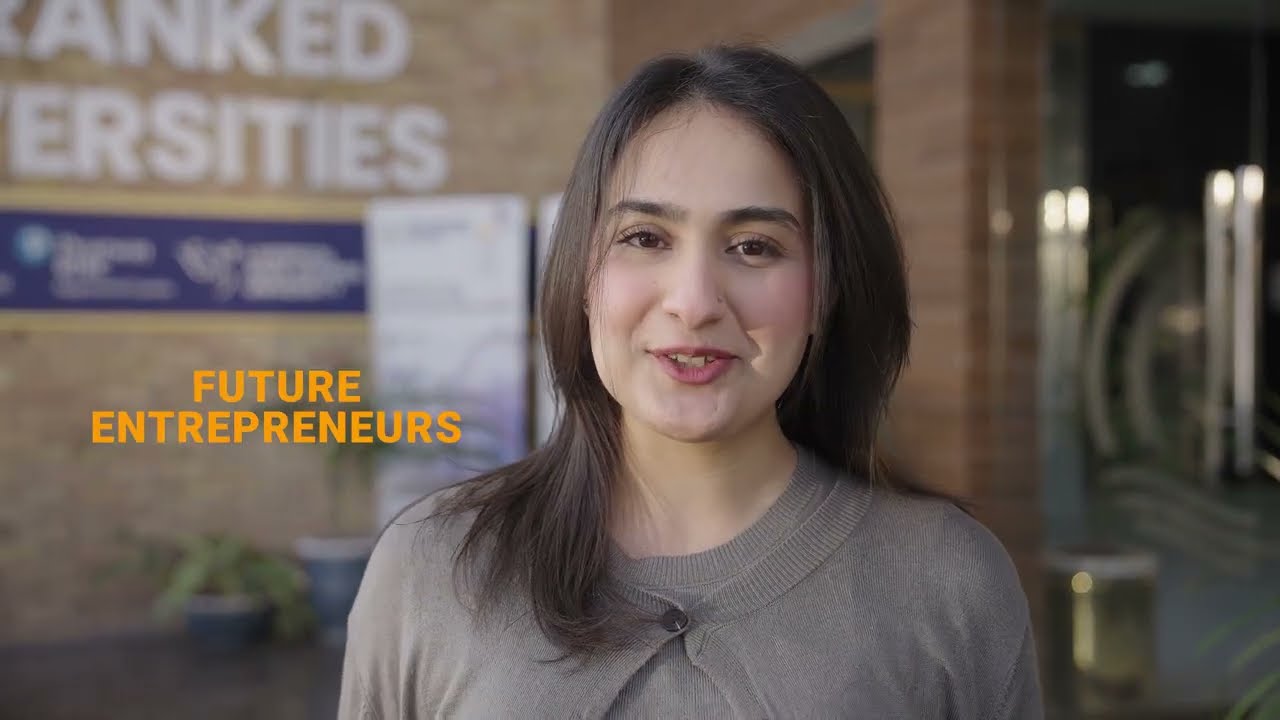
I’m Emaan Faisal Latif, founder of the NGO WorkForGood. Passionate about adventure and growth, I discovered BIC while seeking an international degree. Enrolling in the University of London’s BSc Psychology program has been an incredible experience, thanks to its excellent management balance of academics and extracurriculars.

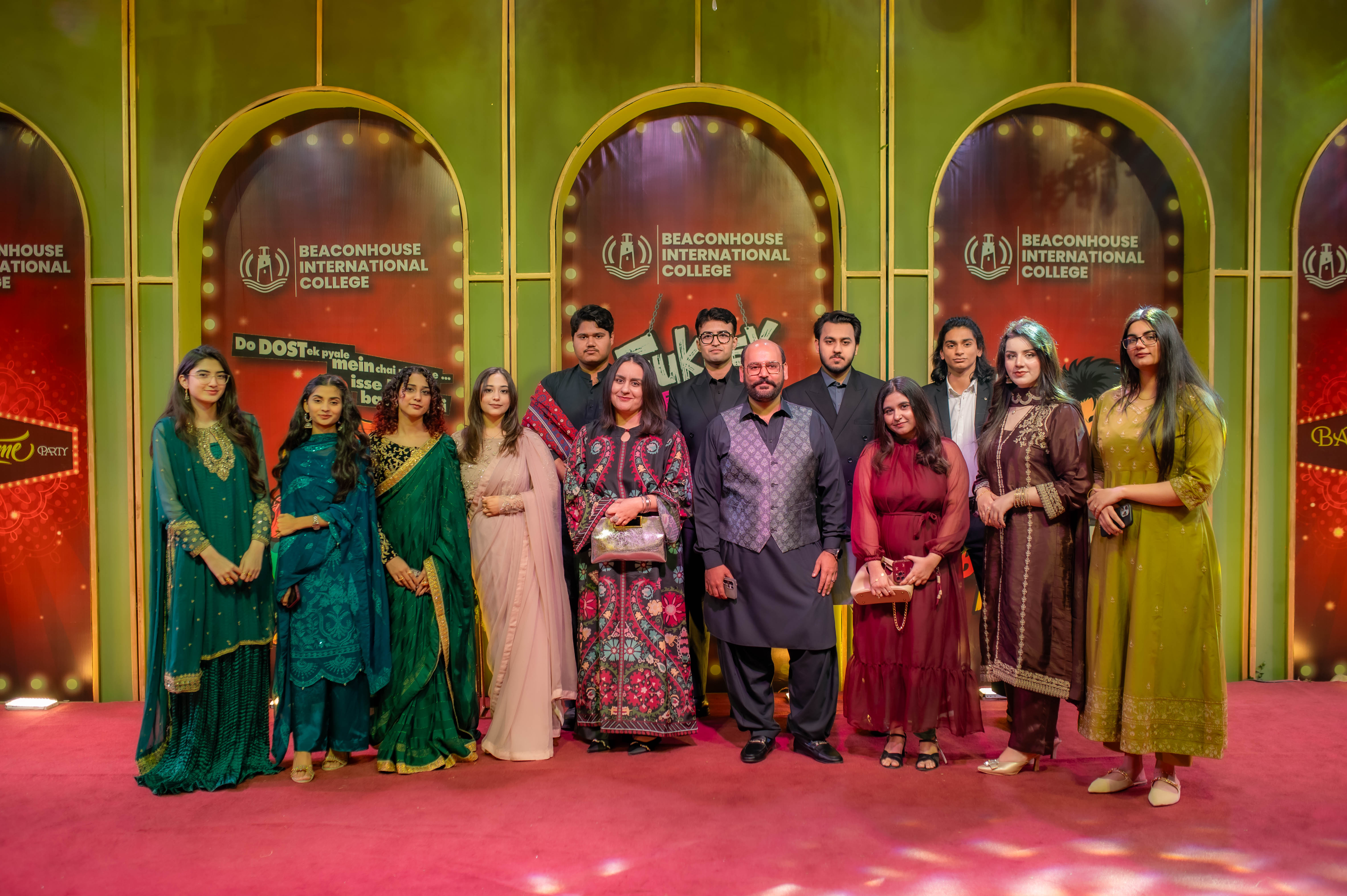
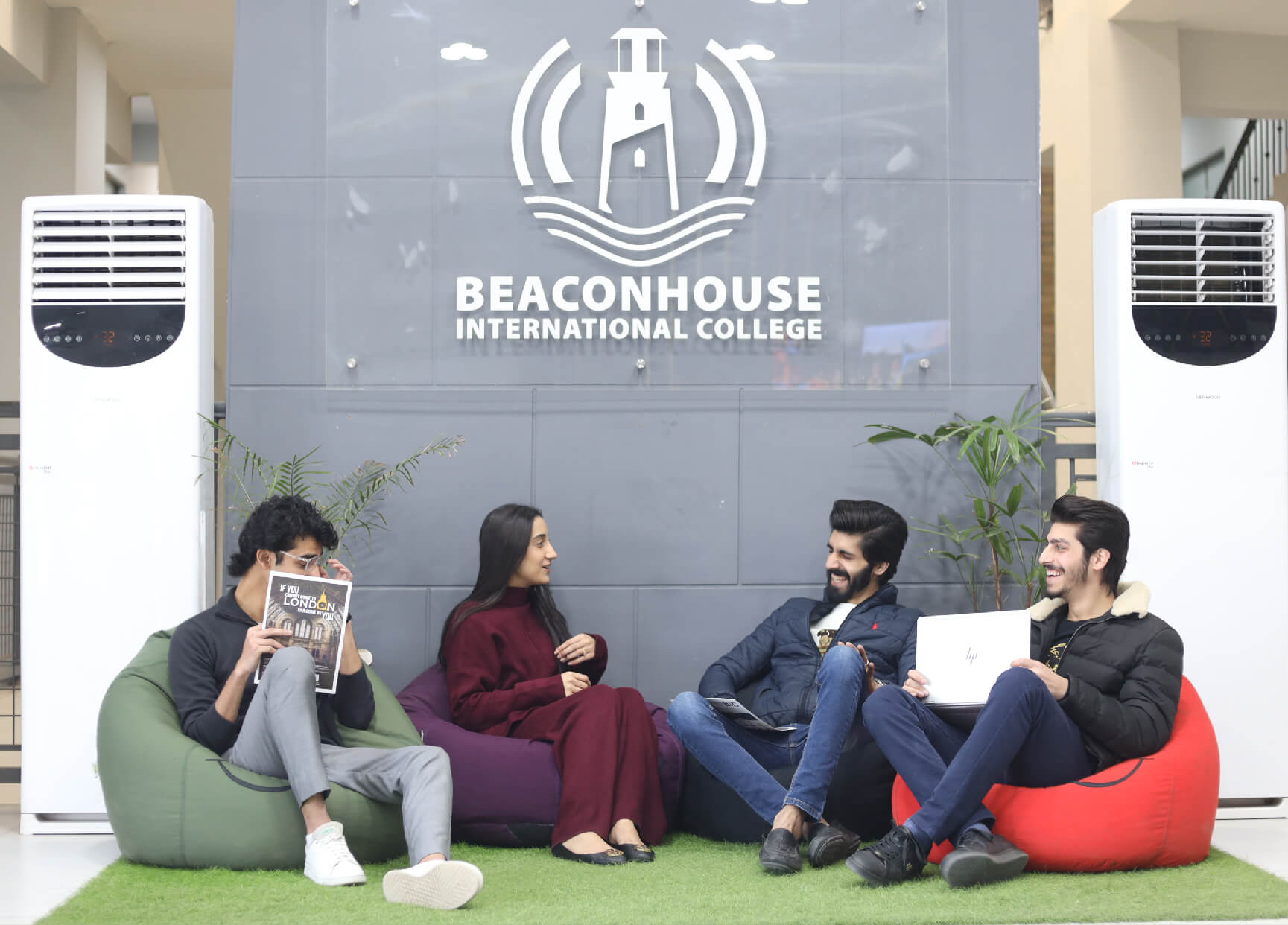
As a student here, I've felt the soul-stirring power of Qawali, and found my tribe in clubs ranging from Entrepreneurship to Sports. BIC is where passions ignite and memories are made.

Nothing beats the camaraderie of bonfire nights and the thrill of sports galas at BIC. Being part of this vibrant community has allowed me to explore my interests in journalism, sustainability, and beyond.
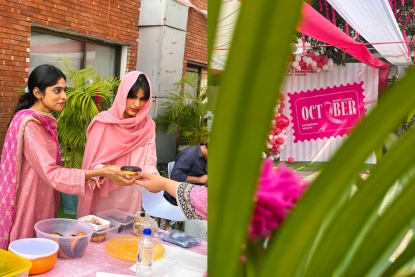
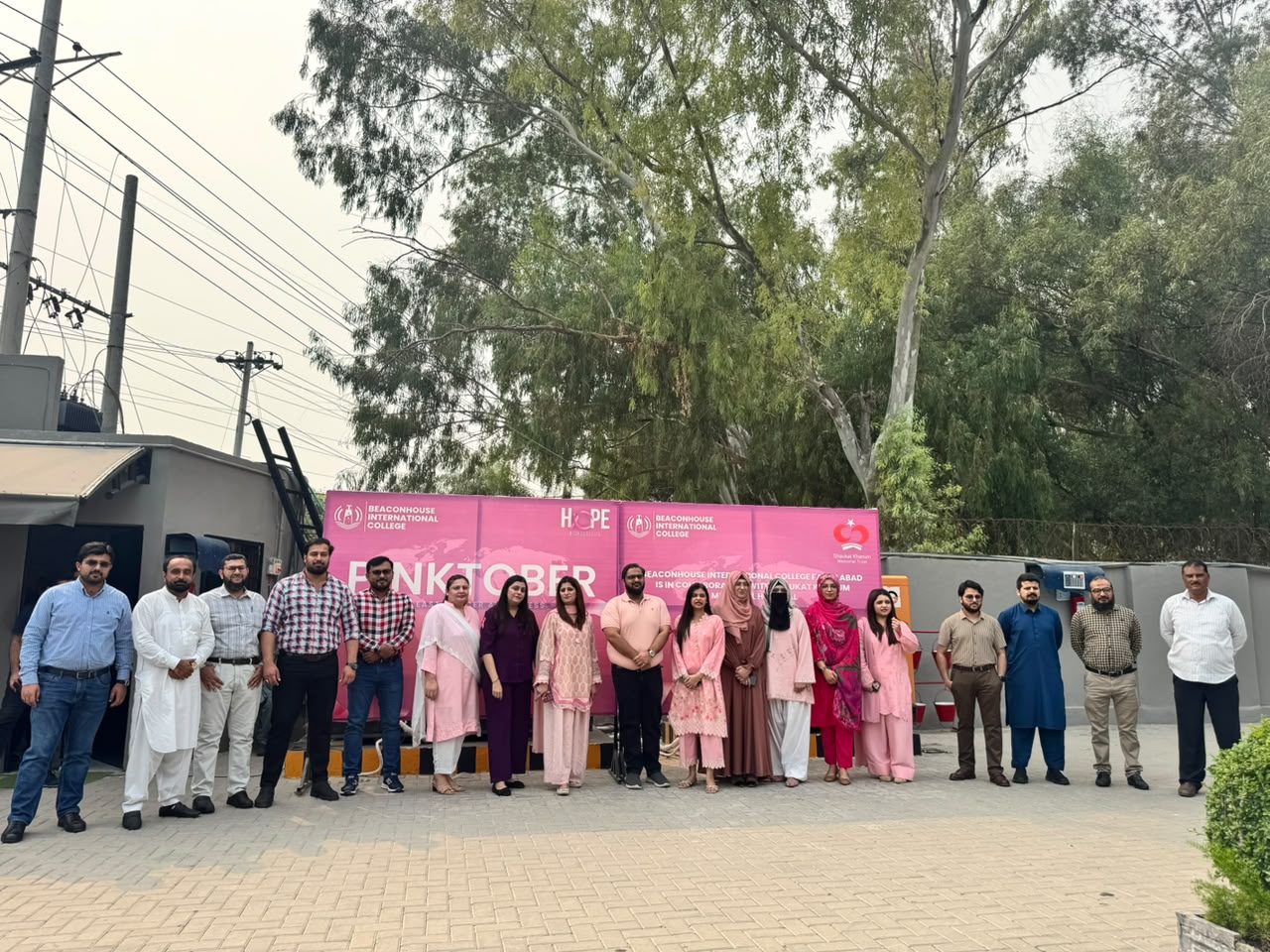
Turning our campus pink for a cause that truly matters. Today at BIC Lahore, we came together to observe Pinktober and raise vital awareness for Breast Cancer Awareness Month in collaboration with the Shaukat Khanum Team.Together, we spread hope, support, and strength!
Empowering dreams through education: Explore our Scholarship Programme, opening doors to a brighter future for students.

In today's competitive professional environment, academic qualifications alone are no longer enough to build a successful career. Employers increasingly seek individuals who can think critically, evaluate information, solve complex problems, and make informed decisions. Among the most valuable abilities students can develop during their university education are research and analytical skills.

Choosing the right university is one of the most important decisions students make after completing their intermediate or A-Level education. With increasing interest in international qualifications, many Pakistani students are exploring opportunities to earn globally recognised degrees without moving abroad. Among the institutions offering this possibility, the University of London stands out for its academic heritage, international reputation, and flexible study options.